KPV: Complete Guide to the Inflammation Assassin Peptide
Category: Immune Peptides Read Time: 12 minutes
Most anti-inflammatory approaches work like carpet bombing. Steroids obliterate your immune system indiscriminately. NSAIDs block downstream enzymes while destroying your gut lining. Biologics cost thousands while targeting single pathways.
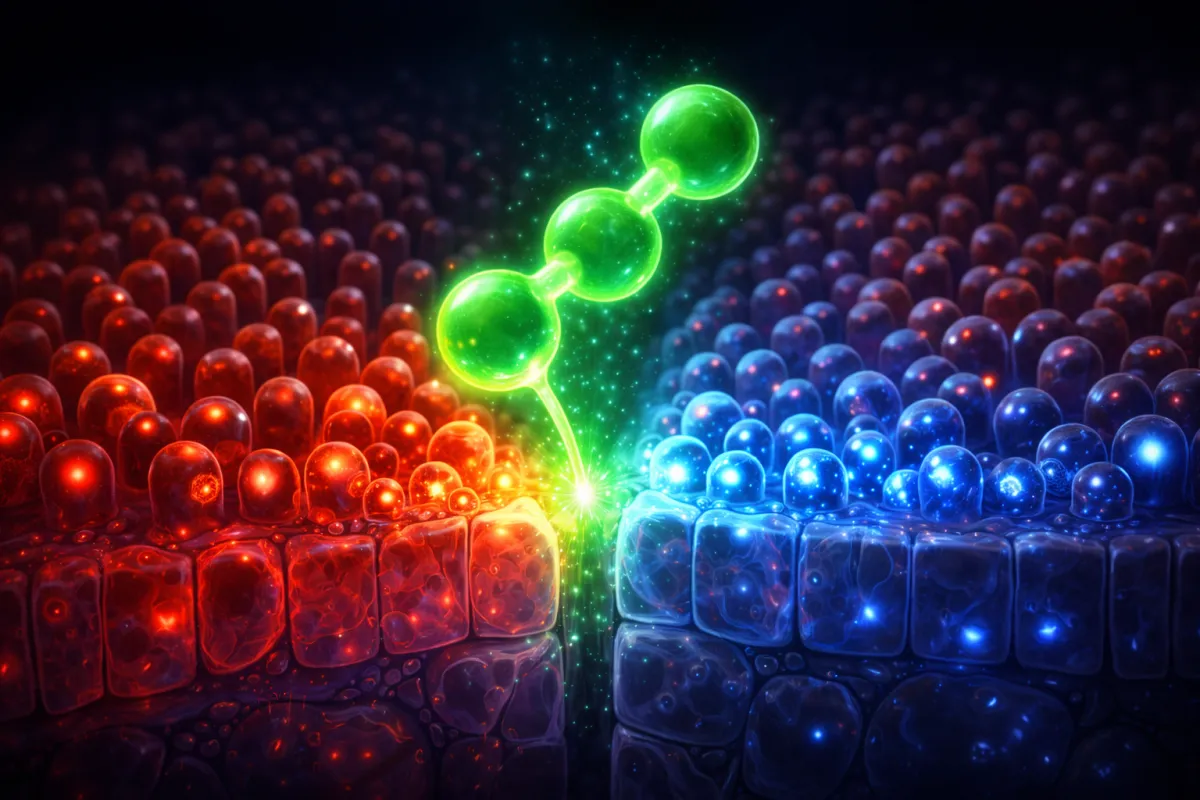
KPV works differently. This three-amino-acid peptide finds inflamed tissue like a heat-seeking missile, enters cells via a specialized transporter, and shuts down the inflammatory factory at the source. No immune suppression. No gut damage. No thousand-dollar monthly injections.
The peptide is derived from alpha-melanocyte-stimulating hormone (alpha-MSH), but unlike its parent molecule, KPV retains the anti-inflammatory power without affecting pigmentation or hormones. It's the clean-burning fuel of the peptide world.
KEY FACTS
Definition: KPV is a tripeptide (Lysine-Proline-Valine) derived from alpha-MSH that inhibits NF-kB and MAPK inflammatory pathways through PepT1 transporter-mediated cellular uptake.
Primary Use: Inflammatory bowel disease, gut inflammation, skin conditions (psoriasis, eczema), and systemic inflammatory conditions.
Typical Timeline: 2 to 4 weeks for noticeable gut symptom improvement, 3 to 6 weeks for visible skin changes.
Best For: Individuals with IBD, ulcerative colitis, Crohn's disease, leaky gut, chronic skin inflammation, or systemic inflammatory conditions seeking alternatives to steroids and NSAIDs.
Not For: Those without significant inflammatory conditions or anyone expecting immediate symptom relief from a single dose.
What It Actually Does
KPV works through three primary mechanisms that make it uniquely effective for inflammatory conditions.
PepT1 Transport: KPV enters cells through the PepT1 transporter, which is normally expressed in the small intestine but becomes significantly upregulated in the colon during inflammatory bowel disease. This means KPV naturally accumulates in exactly the tissues that need it most. The peptide has high affinity for PepT1 with a Km of approximately 160 micromol/L, among the lowest reported for this transporter.
NF-kB Inhibition: Once inside cells, KPV blocks the NF-kB pathway, the master switch controlling inflammatory gene expression. Research published in Gastroenterology demonstrated that nanomolar concentrations of KPV inhibit NF-kB activation and reduce pro-inflammatory cytokine secretion including TNF-alpha, IL-1beta, and IL-6.
MAPK Pathway Suppression: KPV also inhibits the MAP kinase inflammatory signaling cascade, providing dual-pathway anti-inflammatory action. This combination of NF-kB and MAPK inhibition addresses inflammation at multiple control points simultaneously.
Think of inflammation as a fire alarm that won't stop ringing after the threat is gone. KPV is the technician who recalibrates the system so it responds appropriately without overreacting. It doesn't suppress your immune system. It restores proper signaling.
The Science
KPV is the C-terminal tripeptide fragment (amino acids 11-13) of alpha-melanocyte-stimulating hormone. Researchers discovered that this tiny fragment retained the potent anti-inflammatory effects of the full hormone without the pigmentation and broader hormonal impacts.
Inflammatory Bowel Disease: Research in both DSS-induced and TNBS-induced colitis models demonstrated that oral administration of KPV reduces the incidence and severity of colitis. The peptide decreased pro-inflammatory cytokine expression and accelerated mucosal healing. A 2025 systematic review in JGH Open confirmed anti-inflammatory peptides including KPV derivatives show promise for moderately to severely active IBD.
Targeted Delivery: A study published in PMC demonstrated that hyaluronic acid-functionalized nanoparticles loaded with KPV successfully mediated targeted delivery to colonic epithelial cells and macrophages. The researchers found these KPV-loaded nanoparticles exert combined effects against ulcerative colitis by both accelerating mucosal healing and alleviating inflammation.
Cellular Mechanism: The anti-inflammatory effect of KPV is not due to blocking IL-1beta receptors externally. Instead, KPV must be transported by PepT1 into cells where it accumulates and inactivates inflammatory pathways from within. This intracellular action distinguishes KPV from surface-acting anti-inflammatory drugs.
Immune Cell Effects: KPV is transported into T-cells and other immune cells via PepT1, where it inhibits TNF-alpha-induced IkB-alpha degradation. This provides anti-inflammatory effects in both epithelial and immune cell populations involved in IBD pathogenesis.
Skin Applications: KPV reduces inflammatory cytokines and chemokines in skin tissues, limits immune cell infiltration, and accelerates wound healing. Research shows efficacy for psoriasis, eczema, and chronic wound healing through both topical and systemic administration.
The Protocol
Subcutaneous Administration (Most Common)
PROTOCOL SUMMARY (TEXT): For inflammatory bowel conditions, the typical protocol is 200 to 500mcg administered subcutaneously once daily. Injection sites include abdominal fat or thigh. Start at the lower end (200mcg) and assess response before increasing. Protocol duration is 4 to 8 weeks for acute flares, with ongoing maintenance for chronic conditions. For systemic inflammation, 200 to 500mcg once daily to every other day for 4 to 8 weeks minimum.
For Gut Conditions (IBD, Colitis, Leaky Gut):
Dose: 200-500mcg per injection
Frequency: Once daily
Duration: 4-8 weeks minimum, ongoing for chronic management
Start low and titrate based on response
For Skin Conditions (Psoriasis, Eczema, Dermatitis):
Dose: 200-300mcg per injection
Frequency: Once daily
Duration: 4-6 weeks for visible improvement
Can combine with topical application
Oral Administration
Oral dosing of 500mcg to 1mg daily has been used for gut-specific inflammation. KPV remains stable in the GI tract and retains activity in gut tissues. Higher doses are needed compared to injectable due to absorption factors.
Dose: 500mcg-1mg daily
Timing: Empty stomach for better absorption
Duration: Ongoing for chronic gut inflammation
Best for: IBD, colitis, gut-specific issues
Reconstitution
Add 1 to 2ml bacteriostatic water to the vial. Swirl gently until dissolved. Store refrigerated and use within 14 days. KPV is highly water-soluble and reconstitutes easily.
Cycling
KPV does not require cycling for receptor sensitivity. The PepT1 transporter does not desensitize like traditional receptors. You can run KPV continuously for chronic conditions without diminishing returns.
What to Expect
Week 1-2: Acute inflammatory markers begin declining. If you have active gut symptoms (bloating, pain, urgency), you may notice 20-30% improvement. This is not placebo. KPV works quickly at the cellular level, though full tissue healing takes longer.
Week 3-4: Mucosal healing becomes more apparent in gut conditions. Skin conditions show visible improvement. Pain and discomfort continue decreasing. Inflammatory markers on bloodwork (CRP, ESR) should show measurable reduction.
Week 5-8: Chronic inflammatory conditions stabilize. Gut barrier function improves measurably. Skin conditions show significant resolution. If you're tracking symptoms, this is where the cumulative effect becomes undeniable.
Week 8+: Chronic conditions may require ongoing maintenance dosing. Inflammatory flares become less frequent and less severe when they do occur. Baseline inflammation remains controlled. Some users can reduce or eliminate other anti-inflammatory medications under medical supervision.
What separates responders from non-responders:
KPV is not a magic bullet. It's a precision tool. If your inflammation is diet-driven and you keep eating inflammatory foods, KPV will help but won't solve the problem. If you're in chronic stress keeping cortisol elevated, KPV will reduce inflammation but your HPA axis will keep triggering it. The peptide works best when combined with addressing root causes.
Practitioner Insight
Clinical experience shows that KPV stacks exceptionally well with healing peptides because they address different aspects of the repair process. If BPC-157 is the general contractor and TB-500 is the crew foreman, KPV is the fire marshal. It doesn't build anything. It prevents the inflammatory fire from destroying the work site so the other peptides can do their job.
The PepT1 upregulation during inflammation is clinically important. Your body's own transport system delivers KPV directly to inflamed gut tissue. This is why oral administration works for gut conditions despite typically poor peptide bioavailability. The transporter is already waiting in the inflamed tissue.
For skin conditions, practitioners report that combining subcutaneous KPV with topical application produces faster results than either alone. The systemic dose addresses underlying inflammation while topical application provides direct local effects.
Practitioners also note that KPV helps patients reduce steroid dependence. The peptide can be introduced while tapering steroids, providing anti-inflammatory coverage during the transition. This is not a replacement for medical supervision but represents a potential bridge therapy.
CLINICAL TAKEAWAY: KPV provides precision anti-inflammatory action through intracellular pathway inhibition rather than broad immunosuppression, making it particularly valuable for chronic inflammatory conditions where long-term steroid use is problematic.
Common Mistakes
Using for general wellness: KPV is overkill if you don't have significant inflammatory pathology. It's a targeted therapeutic, not a daily supplement. Save it for when you actually need anti-inflammatory intervention.
Expecting immediate relief: KPV works at the cellular signaling level, not symptom masking level. You're correcting pathways, not blocking pain receptors. Give it 2-4 weeks minimum before assessing effectiveness.
Ignoring root causes: KPV calms inflammation but doesn't fix why you're inflamed. If diet, stress, sleep, or gut dysbiosis is driving your inflammation, address those alongside KPV therapy.
Stacking Strategies
Gut Healing Stack
The most common and effective combination for inflammatory gut conditions:
KPV: 200-500mcg daily (inflammation control)
BPC-157: 250-500mcg daily (tissue repair coordination)
Oral glutamine: 5-10g daily (mucosal fuel)
This addresses inflammation, repair signaling, and cellular energy simultaneously.
Comprehensive Healing Stack
For significant tissue damage with inflammation:
KPV: 200-500mcg daily (inflammation control)
BPC-157: 250-500mcg daily (repair coordination)
TB-500: 2-5mg twice weekly (cellular repair machinery)
KPV calms the inflammatory storm, BPC-157 coordinates repair, TB-500 provides the cellular machinery. Together they create the optimal healing environment.
Skin Healing Stack
For inflammatory skin conditions:
KPV: 200-300mcg daily subcutaneous
KPV topical: 0.1-1% cream applied twice daily to affected areas
GHK-Cu: 200-500mcg daily or topical (collagen support)
Systemic and local anti-inflammatory action combined with tissue regeneration support.
Immune Modulation Stack
For broader immune optimization with inflammatory component:
KPV: 200-500mcg daily (inflammation control)
Thymosin Alpha-1: 1.6mg twice weekly (immune coordination)
BPC-157: 250mcg daily (tissue support)
This combination addresses both overactive inflammation and proper immune function.
Safety and Side Effects
KPV has an excellent safety profile. As a fragment of an endogenous hormone (alpha-MSH), it works within normal physiological parameters.
Common (mild):
Injection site redness (transient)
Mild fatigue during initial use (uncommon)
Uncommon:
Temporary skin flushing
Mild headache
Contraindications:
Pregnancy and breastfeeding (insufficient safety data)
Active infection requiring immune response (KPV may blunt necessary inflammation)
Immunosuppressive therapy (additive effects possible)
Drug Interactions:
NSAIDs: Additive anti-inflammatory effects, may allow dose reduction
Steroids: Can support tapering, coordinate with prescriber
Biologics: Theoretical interaction, use with caution
KPV does not cause the immunosuppression associated with steroids or the gut damage associated with NSAIDs. It modulates inflammation rather than broadly suppressing immune function.
Regulatory Status
KPV is not FDA-approved for any indication. It is available through research chemical suppliers and some compounding pharmacies. The peptide has been studied extensively in preclinical models and shows promise for IBD and inflammatory conditions, but has not completed large-scale human clinical trials.
Research-grade KPV is legal to purchase for research purposes. Quality varies between suppliers. Third-party testing verification is important given the small molecular size makes purity assessment critical.
Trusted Sources
Quality matters for small peptides like KPV. Degradation or contamination significantly impacts effectiveness.
Modern Aminos carries KPV with third-party testing. Code "zach10" for 10% off.
Optimum Formula stocks KPV with COA verification. Code "BHACK" for 10% off.
ResearchChemHQ offers KPV 10mg. Code "BHACK" for discount.
LimitlessBioChem provides European researchers with KPV 10mg. Code "BHACK" for 10% off.
BioSLab serves Canadian researchers with KPV 10mg. Code "BHACK" for 10% off.
BioLongevity Labs carries KPV 10mg. Code "BHACK" for 15% off.
The Bigger Picture
Chronic inflammation underlies most modern disease. Heart disease, diabetes, autoimmune conditions, neurodegenerative disease, and cancer all have inflammatory components. The standard medical approach involves drugs that either suppress the entire immune system (steroids) or block single downstream pathways (NSAIDs, biologics).
KPV represents a different approach: precision targeting of inflammatory signaling at the cellular level without broad immunosuppression. The peptide enters the cells driving inflammation and modulates their behavior from within. This is closer to how your body naturally regulates inflammation.
For gut conditions specifically, KPV addresses a fundamental problem. The gut immune system must balance tolerance of food antigens and beneficial bacteria with defense against pathogens. When this balance tips toward excessive inflammation, the result is IBD, colitis, and related conditions. KPV helps restore proper signaling rather than simply suppressing all immune activity.
The PepT1 targeting mechanism is elegant. During inflammation, your gut upregulates the very transporter that delivers KPV to inflamed tissue. The sicker the tissue, the more efficiently it absorbs the therapeutic. This is the opposite of most drugs, which often struggle to reach their target tissue.
For researchers and practitioners exploring alternatives to long-term steroid use or expensive biologics, KPV provides a well-studied option with mechanistic clarity. We know how it works, where it goes, and what it does at the molecular level. That understanding provides confidence in its application.
The question isn't whether inflammation matters. The question is how you address it without creating new problems in the process.
Frequently Asked Questions
How is KPV different from BPC-157?
BPC-157 primarily coordinates tissue repair and regeneration. KPV primarily controls inflammation. They work through completely different mechanisms and complement each other well. BPC-157 is the repair signal. KPV is the fire extinguisher. Both are useful, for different reasons.
Can I take KPV orally for gut issues?
Yes. KPV is unusually stable in the GI tract and is transported into gut cells via PepT1. Oral administration works well for gut-specific inflammation. Subcutaneous injection provides more reliable systemic effects for conditions beyond the gut.
Will KPV affect my skin color like melanocyte hormones?
No. KPV is the anti-inflammatory fragment of alpha-MSH without the pigmentation effects. The amino acids responsible for melanocyte stimulation are not present in KPV.
How long should I run KPV?
For acute flares, 4-8 weeks is typical. For chronic conditions, ongoing maintenance may be appropriate. KPV does not require cycling because PepT1 does not desensitize like traditional receptors.
Can I use KPV with prescription anti-inflammatories?
Generally yes, and KPV may support tapering of other anti-inflammatory medications. However, coordinate with your prescribing physician. Additive effects are possible and dose adjustments may be needed.
Is KPV the same as the KPV in KLOW blend?
Yes. KLOW blend typically contains KPV along with other peptides like GHK-Cu, BPC-157, and TB-500. The KPV component provides anti-inflammatory action while the other peptides contribute healing and regeneration support.
Disclaimer: This content is for educational and research purposes only. KPV is not FDA-approved for any indication. Nothing in this guide constitutes medical advice. Consult a qualified healthcare professional before beginning any research protocol.
